Irish Black Angus Rib Roast: A Show-Stopping Centrepiece for Your Roast Dinner
When it comes to impressing your guests with a truly memorable roast dinner, few cuts can compete with the rich flavour and tenderness of an Irish Black Angus Rib Roast. This prime beef cut, served on the bone, combines heritage, quality, and full-bodied taste in every bite. Whether you’re planning a festive Christmas feast, a special Sunday roast, or just treating yourself to a luxurious dinner, this roast is the kind of centrepiece that leaves everyone asking for seconds.
SAVE THIS RECIPE!
And of course, if you are looking to do it properly, you should serve it up with some good old Yorkshire Puddings and gravy! But more on the trimmings later on.
What Makes Irish Black Angus So Special?
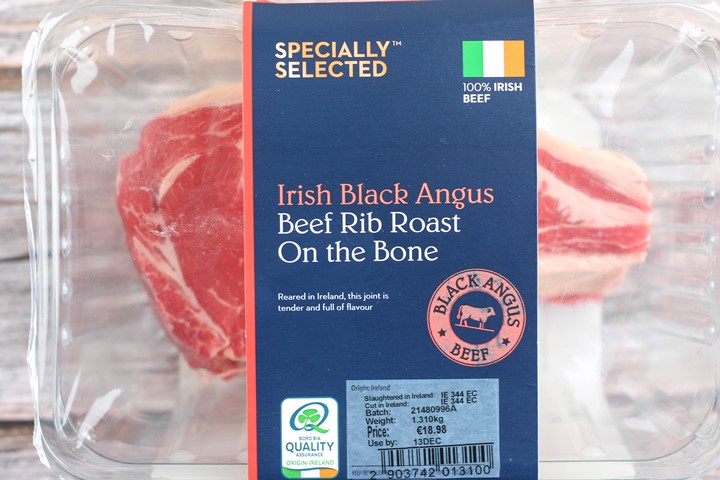
Black Angus cattle are renowned worldwide for their superior marbling, which enhances both flavour and juiciness. In Ireland, where the cattle graze on lush green pastures and enjoy a slower, more natural rearing process, the quality of the beef reaches another level. Irish Black Angus beef is not only rich in taste but also traceable, sustainable, and approved by Bord Bia (Ireland’s food board), making it a reliable choice for discerning cooks.
When you choose an Irish Black Angus rib roast on the bone, you’re selecting a cut that delivers maximum impact – visually and flavour-wise. Cooking the rib roast with the bone in amplifies the beefy aroma and lends extra succulence to the meat, as the marrow helps infuse the roast with flavour during the slow cooking process.
A Festive Alternative to Turkey
While turkey may reign supreme on Christmas tables, many households are now turning to standing rib roasts for a change. A rib roast not only delivers a more robust flavour but also requires less work and fewer sides to truly shine. Simply season well, roast to your desired doneness, and let the meat speak for itself.
This cut is especially ideal for smaller holiday gatherings. One large rib roast can feed 4- 6 people with ease, and the leftovers make for epic roast beef sandwiches the next day. Pair it with roast potatoes, honey glazed parsnips, and a generous helping of Yorkshire pudding, and you’ve got a meal worthy of any festive occasion.
Tips for Cooking the Perfect Rib Roast
Cooking a Black Angus rib roast can feel intimidating, but it’s surprisingly straightforward. Whether you prefer your roast rare, medium-rare, or well done, the key is to use a meat thermometer and allow time for resting.
Some cooks swear by a slow roast at low heat followed by a blast of high heat at the end for a crispy crust. Others like to reverse-sear for a more even cook. Either way, you want the internal temperature to reach:
-
Rare: 50–52°C (122–125°F)
-
Medium-Rare: 55–57°C (130–135°F)
-
Medium: 60–63°C (140–145°F)
Let the roast rest for at least 20–30 minutes after it comes out of the oven. During this time, the juices will redistribute through the meat, and the internal temperature will continue to rise slightly.
Traditional Sides and Sauces
A roast as rich as this deserves classic accompaniments. Goose fat roasties, Brussels sprouts with chestnuts, cauliflower cheese and my baked garlic carrots recipes are all beloved partners. For sauces, you can’t go wrong with a punchy horseradish cream, a deep beef gravy, or even a whiskey-infused jus for a touch of Irish flair.
Perfect for Any Occasion
Whether it’s Christmas, Easter, or just a Sunday with family, a roast rib of Irish Black Angus beef delivers an unforgettable meal. It’s the kind of dish that turns a good dinner into a great one. With minimal prep and maximum reward, this is one roast you’ll be proud to serve again and again.
What temperature and times to use
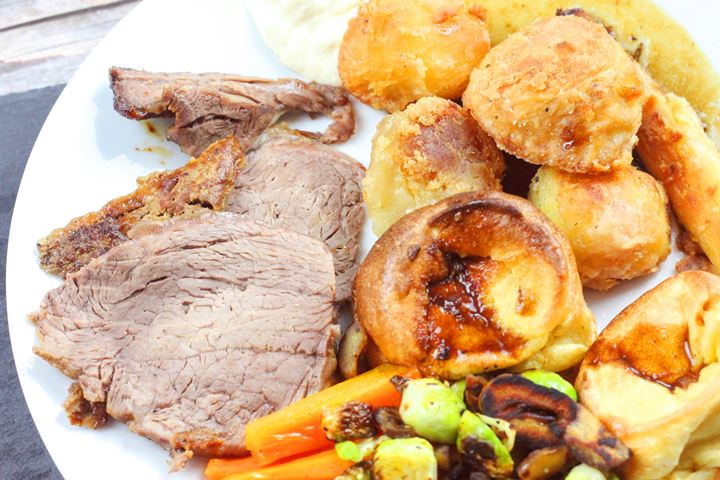
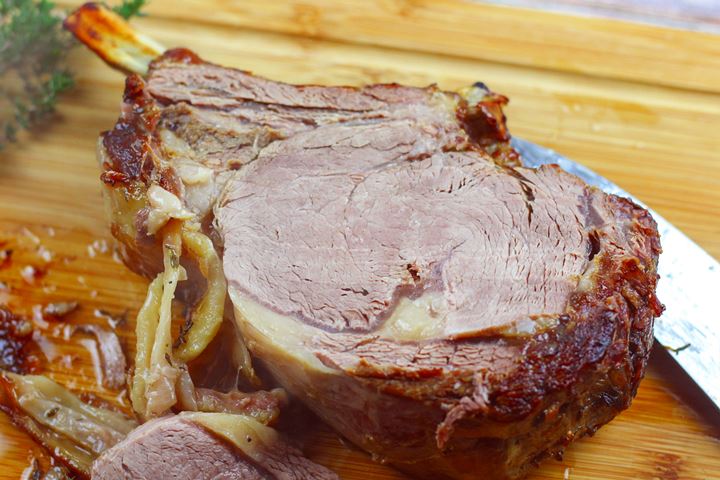
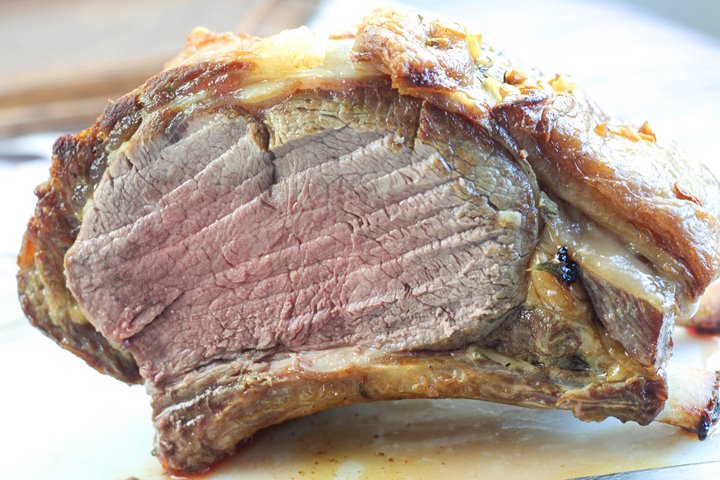
Look at the recipe for recommended times. As you can see, this one above is a lot pinker inside as the previous one, as I cooked it to the ‘rare’ guide in the recipe card, but I would still call this more medium-rare, than rare. Still, both were delicious and extremely tender.
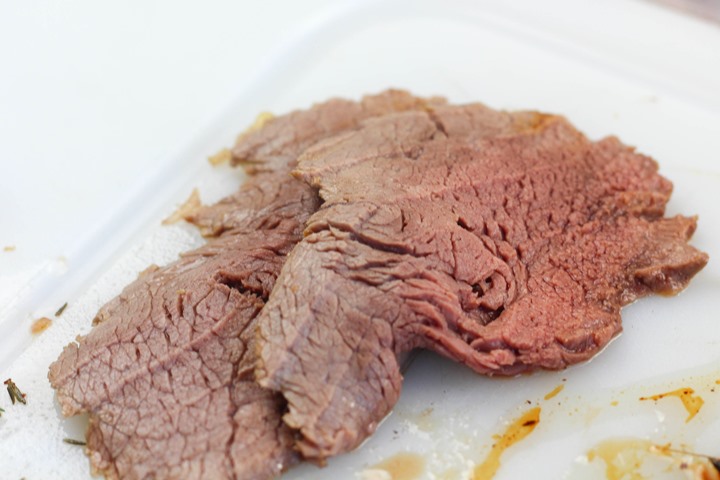
Of course, the difference could also be down to the variation in my own oven temperature. My oven is not entirely even and accurate and something you may also need to take into account.
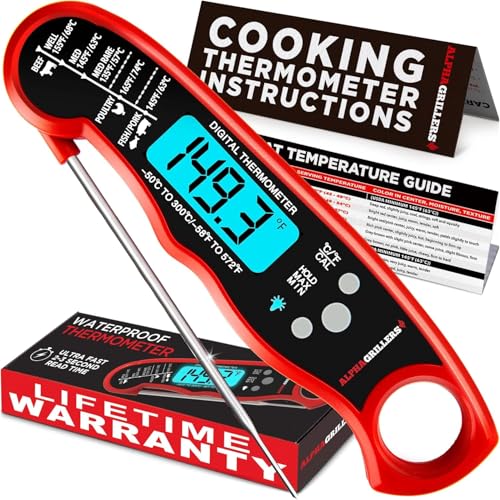
Another way of checking is by measuring the temperature of the meat with a meat thermometer to achieve what you want. This temperature guide for roasting meat can give you an indication of what temperatures you need to look for when you remove the meat from the oven.
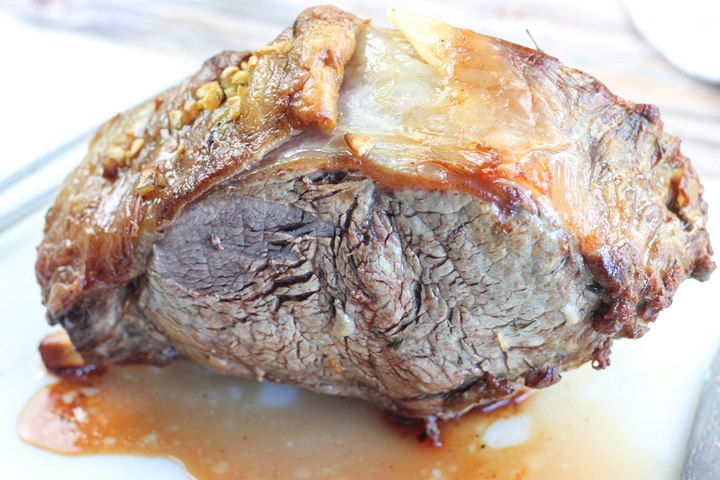
You need to be aware that the temperature of the meat will rise while it is resting. So do not leave it too long before you remove it from the oven to avoid overcooking it.
Maybe using a combination of both is the way to get the result you want in your own oven.
This is what my Christmas dinner plate looked like last year. This was before I added some Horseradish to the side of my plate:
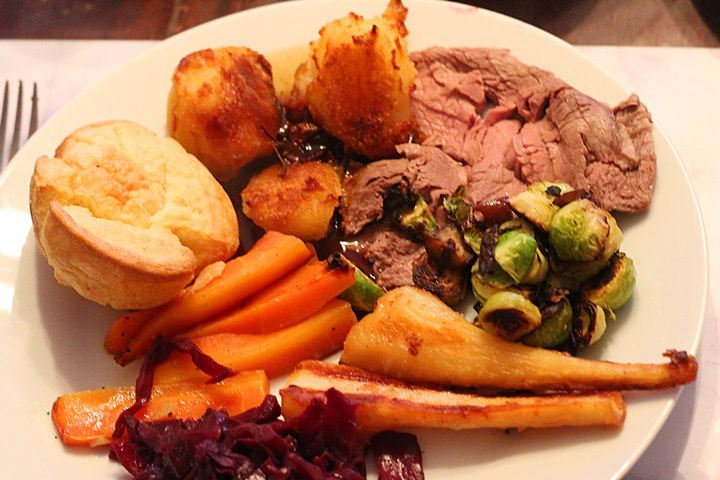
But pan-fried asparagus or tender stem broccoli also all go very well with this delicious dish.
I hope you enjoy trying this easy recipe and appreciate it as much as we did. If you do please let us know how you get on in the comments section below!
Enjoy!
How to cook Irish Black Angus Rib Roast
Save time producing tasty food for your family with Gav’s Weekly Meal Plan!
Just 19 US $!!
Irish Rib Roast on the Bone
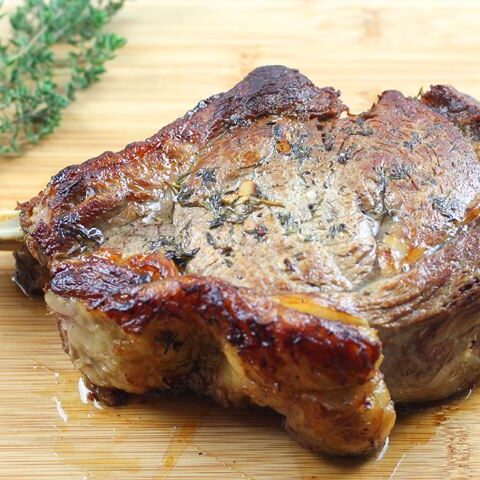
This simple recipe will help you to cook an Irish rib roast, or Prime rib, on the bone. A perfect Sunday lunch with all the trimmings. Also a great alternative to the standard Xmas or Thanksgiving Turkey.
Ingredients
- 1 x 1 1/2 Kg Beef Rib Roast on the bone
- 3 garlic cloves, chopped
- 3 thyme sprigs
- 2 tbsp olive oil
- Salt and black pepper
- Water
Instructions
- Pre-heat your oven to 180C.
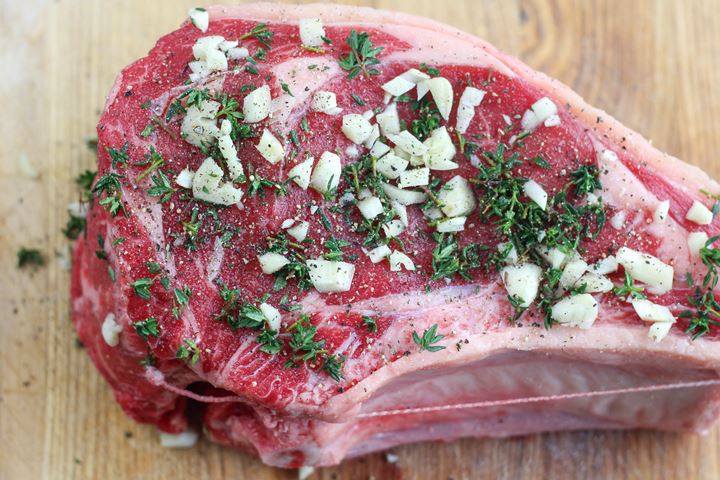
- Peel and chop your garlic and thyme leaves, and rub them into the outside of the rib roast.
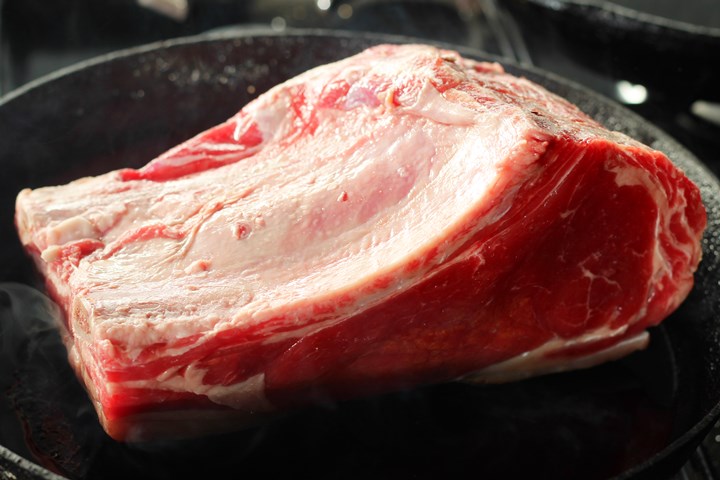
- Then heat the olive oil in a skillet. Brown the beef in the skillet on all sides, then remove and place in a roasting tin. Season well with freshly ground black pepper and salt.
- Add 125ml of water to the roasting tin and cover the roast rib with tin foil, to prevent the moisture from escaping from the meat.
- Place in the oven for the time as determined by weight and intended doneness as follows:
- Rare: 20 minutes per 500g plus extra 20 minutes
- Medium: 25 minutes per 500g plus extra 25 minutes
- Well Done: 30 minutes per 500g plus extra 30 minutes
6. Remove the tin foil for the last 20 minutes of cooking time and baste to brown the outside further.
7. Then remove from the oven and allow to rest for 10-15 minutes before carving.
8. Use the juices from the tin to make some delicious beef gravy.
Notes
Slice the meat either in thin slices without the bone or as a thick steak with bone, before serving up with all the normal trimmings and some tasty beef gravy.
Recommended Products
As an Amazon Associate and member of other affiliate programs, I earn from qualifying purchases.
Nutrition Information:
Yield:
8Serving Size:
1Amount Per Serving: Calories: 671Total Fat: 54gSaturated Fat: 21gTrans Fat: 0gUnsaturated Fat: 27gCholesterol: 156mgSodium: 157mgCarbohydrates: 0gFiber: 0gSugar: 0gProtein: 42g
This nutrition information was automatically calculated by Nutritionix, but may not be 100% accurate.
If you want to make some other tasty meals but do not have time to shop, then why not try these people?
Some side dishes to accompany your Prime Rib: